
 Watch
WatchThe Mole and the Car
Krtek finds a broken toy car a child has discarded, and slowly puts it back together. There is a level of moral instruction to this: as the little…
 Watch
WatchLotte and the Lost Dragons
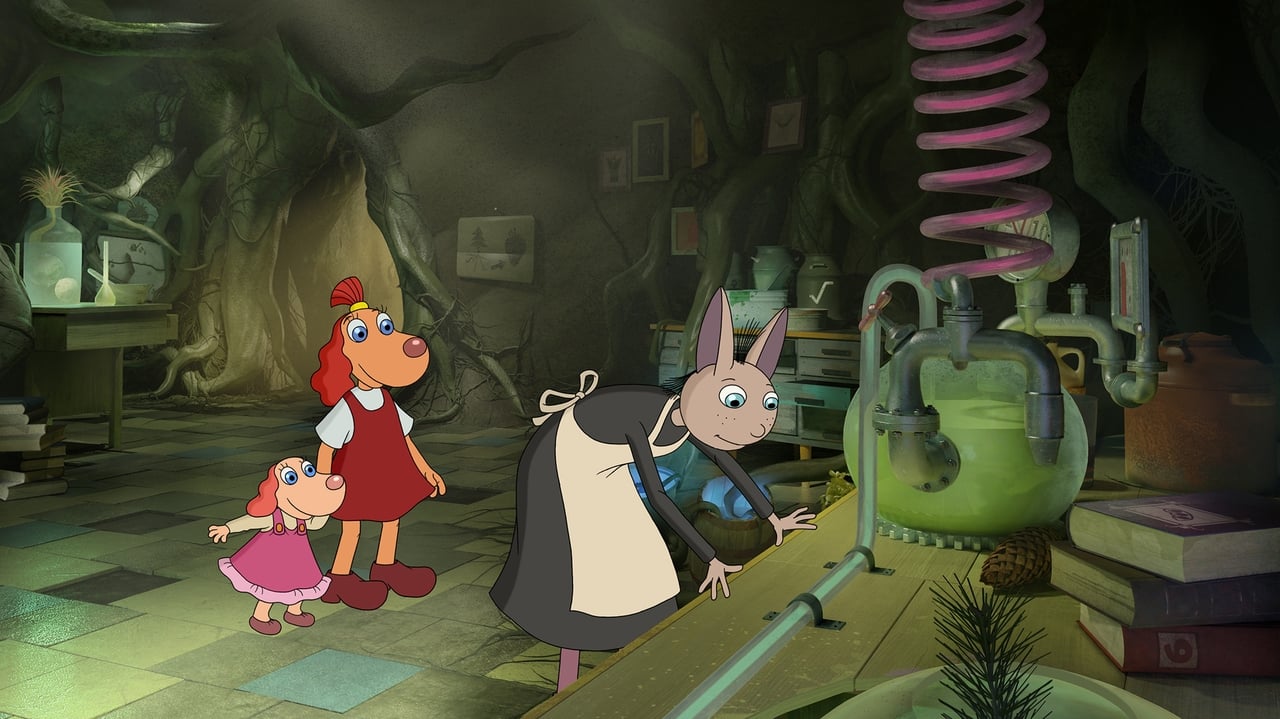
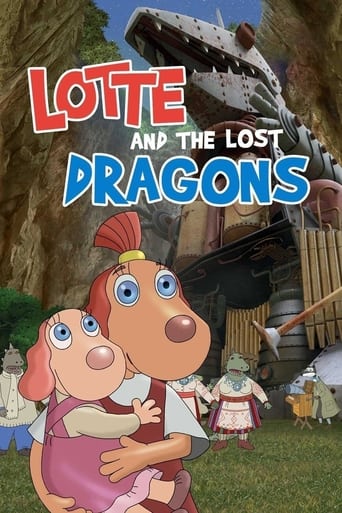
Lotte gets a little sister named Roosi. Two scientists Karl and Viktor come to Gadgetville, they are taking part in a big folk song collecting…
 Watch
WatchThe Golden Horse
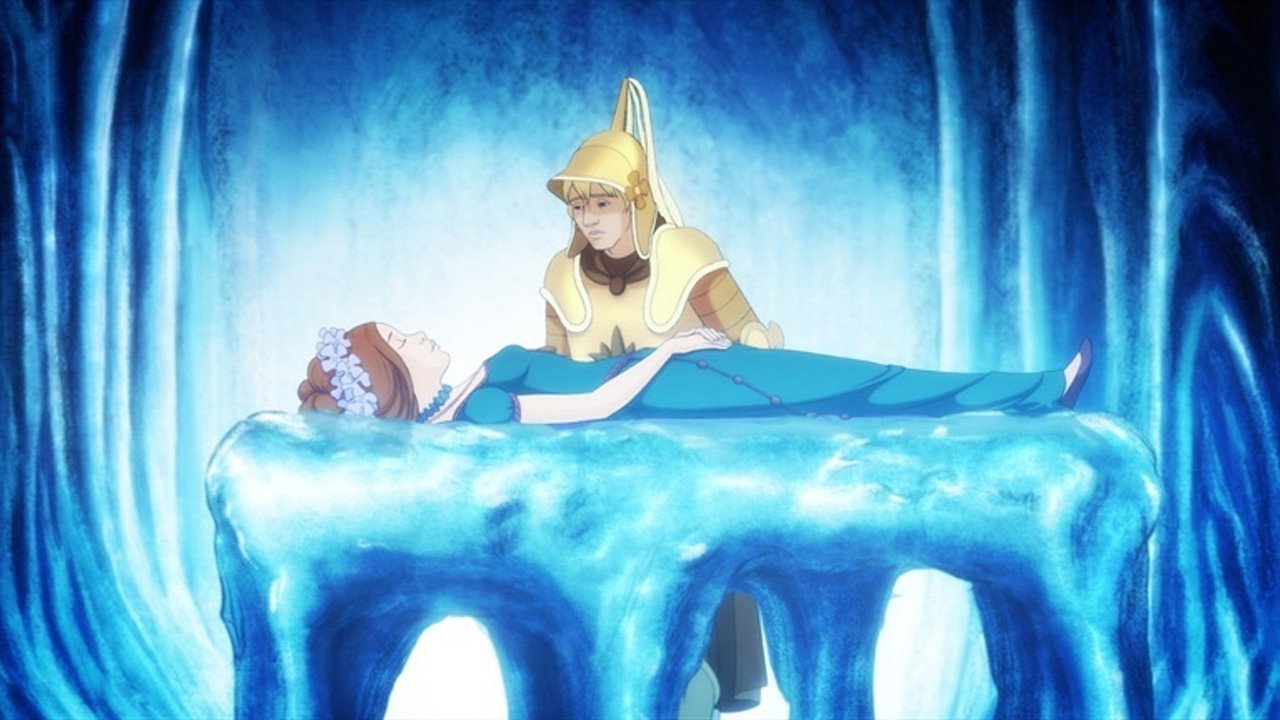
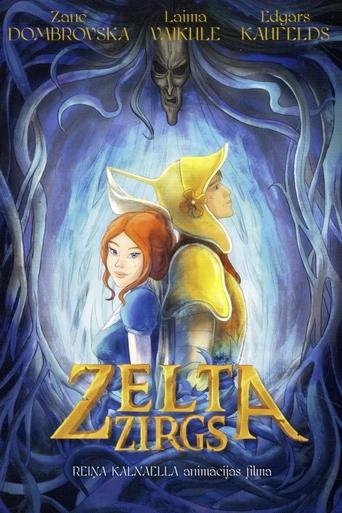
An ancient Latvian folk tale is the basis for this colorful animated feature in the tradition of Sleeping Beauty and Cinderella. A vengeful…
 Watch
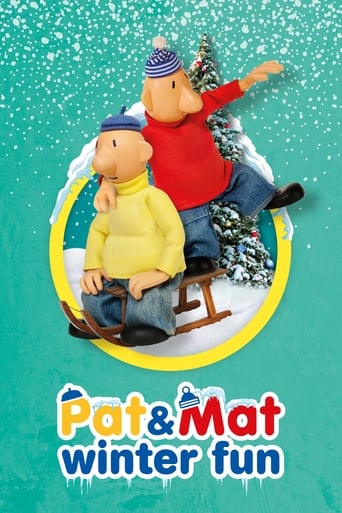
WatchPat & Mat: Winter Fun
It is for the first time to see Pat and Mat enjoying the winter. How will they handle the decoration of their houses for he Christmas, and what…
 Watch
WatchThe Websters Movie
Redheaded Lila is the youngest in a friendly family of arachnids whose untamed imagination gets her into trouble. One day, she falls into a bag of…
Subtitle-free animation
AnimeNoSub: subtitle-free animation from Czechia, Slovakia, Poland and the Baltics, 1931 to 2026, and where to watch it
225 animated films that speak through pictures and music: the Little Mole and Pat & Mat, Hurvínek and Ferda the Ant, Estonian puppet classics, Polish art shorts, Latvian puppet films and modern family features. Search a title and press Watch now.
Latest release
View all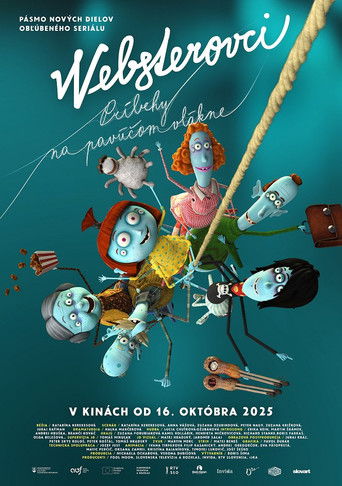 Film2025The Websters: Stories on a Spider's Thread
 Short2025Wolfie
 Film2025Thelma's Perfect Birthday
 Short2025Stone of Destiny
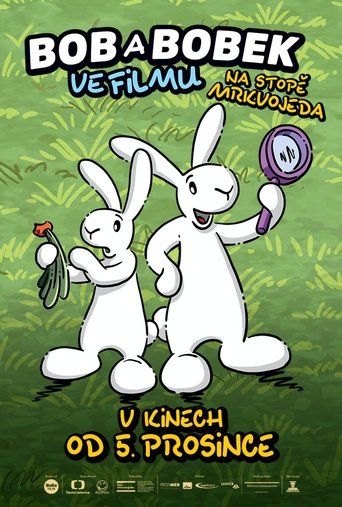 Film2024Bob and Bobek in the movie: On the Trail of the Carrot Eater
 Short2024The Life of a Mushroom
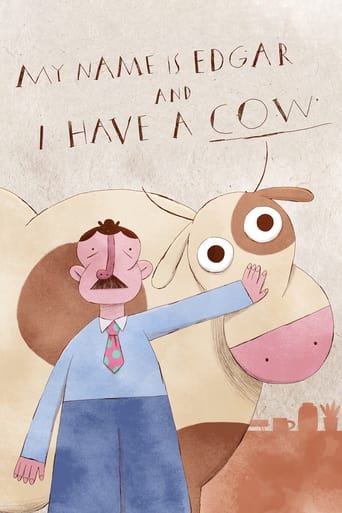 Short2024My Name is Edgar and I Have a Cow
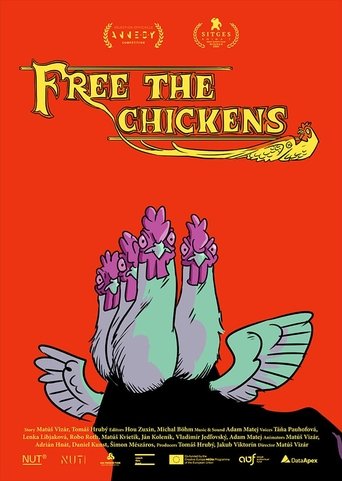 Short2024Free the Chickens
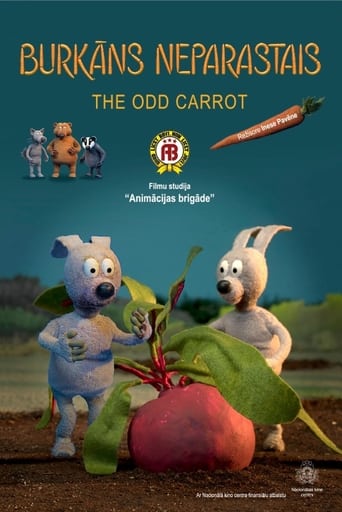 Short2024The Odd Carrot
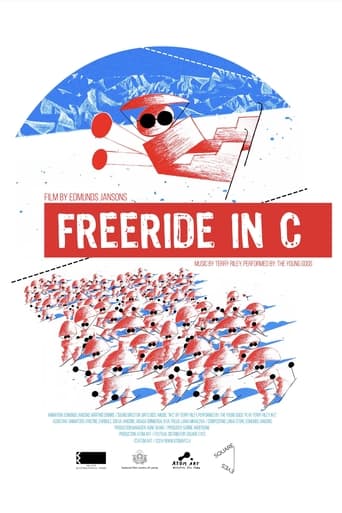 Short2024Freeride in C
 Short2024Miisufy
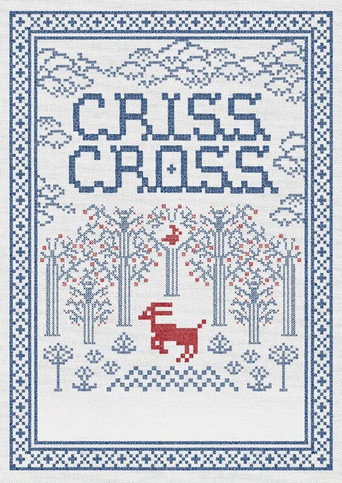 Short2023Criss Cross
Favourite characters
View all



Czech and Slovak
View all
Estonia
View all
Poland
View all

Latvia and Lithuania
View all


Guides
- How to watch with AnimeNoSubFrom the poster grid to the official service.
- Czech and Slovak animationThe Little Mole, Hurvínek and the Zlín puppets.
- Estonian animationNukufilm, Joonisfilm and the Tallinn studios.
- Polish animationSe-Ma-For, Studio Miniatur Filmowych and the art school.
- Latvia and LithuaniaRiga puppets and Vilnius adventures.
- Languages and subtitlesWhy most of these films need little translation.
- Puppets and stop-motionWood, wool, cloth and clay.
- The official AnimeNoSub siteHow to recognise the real address.
- Is AnimeNoSub working?A quick check and easy fixes.
- Where AnimeNoSub films streamThe official services behind Watch now.
- Apps and devicesPhones, tablets, computers and televisions.
- Free classic animationLegal ways to watch at zero cost.
- Watching safelyA short checklist.
- Finding a filmSearch tips.
- My ListBuilding your own programme.
AnimeNoSub: subtitle-free animation from Czechia, Slovakia, Poland, Estonia, Latvia and Lithuania, from the Little Mole and Hurvínek to Nukufilm, Se-Ma-For and the Riga puppets
Some of the most charming animated films ever made speak a universal language. In the studios of Prague, Zlín, Bratislava, Warsaw, Łódź, Tallinn and Riga, generations of animators learned to tell stories through movement, music and gesture, so that a child in Tokyo or Buenos Aires could follow a Czech mole or an Estonian puppet as easily as a child in Prague or Tallinn. Their films travelled the festivals of the world, filled television schedules across Europe and still delight audiences today. AnimeNoSub is a guide to that world: a hand-picked catalogue of subtitle-free animation from Central Europe and the Baltics, from 1931 to 2026, with a page for each film and a Watch now button that leads to the official services that carry it.
Here you will find 225 films. There are 54 from Czechia and Slovakia, including the Little Mole of Zdeněk Miler, the puppets of Jiří Trnka and Hermína Týrlová, Pat & Mat and the Slovak spider family of The Websters. There are 45 from Poland, from the witty shorts of Witold Giersz and the art films of Jerzy Kalina and Jerzy Kucia to family adventures such as Margo the Mouse. There are 89 from Estonia, the largest group in the catalogue, from the Nukufilm puppet studio and the drawn-film studio Joonisfilm, and 37 from Latvia and Lithuania, from the puppet films of Arnolds Burovs to modern features such as The Golden Horse.
Every film has its own page with the story, the year, the running time and the studio. A Watch now button opens the film on JustWatch for the country you choose, where the subscription, rental, purchase and free services that carry it are listed side by side. Many national film archives and studios also share restored classics on their own official channels, and the guides on AnimeNoSub point the way to those sources.
This page is the long guide to the catalogue. It explains what makes this animation special, how the collections are arranged, who the great studios and artists are, and how to build a programme of films for an evening at home. Read it from top to bottom, or jump to the country or theme that interests you.
Animation that travels
The name AnimeNoSub plays on a simple idea: animation that you can enjoy in any language. Much of the animation of Central Europe and the Baltics was made that way on purpose. Small countries with small languages wanted their films to reach the whole world, and the studios developed a style of storytelling that relies on pictures, music and sound effects rather than words. The Little Mole speaks in little squeaks and laughs, Pat & Mat communicate with gestures and grunts, and the Estonian puppets of Heino Pars tell whole adventures with a song and a wink.
This tradition produced films of great variety. There are gentle stories for the youngest viewers, slapstick comedies for the whole family, fairy tales from local folklore, educational films about nature and science, and art films that explore colour, shape and sound like moving paintings. There are puppet films made of wood, wool, cloth and glass, drawn films, cut-out films, films made of coloured grains and films painted directly on the film strip.
Because the films need so little translation, they are a wonderful gift for families who speak several languages, for teachers, for language learners and for anyone who simply enjoys beautiful animation. AnimeNoSub is built to make them easy to find: search a title, browse by country or theme, read a short summary and press Watch now.
How AnimeNoSub looks
AnimeNoSub takes its look from the archived pages of animenosub.com, which used the AnimeStream theme popular with anime streaming sites. The page is a deep near-black, so that the colours of the films shine. A slim header carries the wordmark, a row of links, a rounded dark search field and a blue My List button.
The home page opens with a sliding hero, as on the original site. Each slide shows a wide still from a featured film, with a bright blue strip beneath it carrying the title, a short summary and a dark rounded Watch button. You can swipe or scroll sideways through the slides. Below the hero sit dark panels, each with a heading and a small blue View all button, holding grids of poster cards. Every card has a blue badge in the corner saying whether it is a short or a full film, a small year tag and a play symbol that appears when you point at it.
On the right, a sidebar keeps the most popular films within reach. A box headed Popular has three blue tabs and a numbered list in small outlined boxes, each with a tiny poster, the title, the country and the year, just as the original site listed its weekly favourites. Below it, a grid of collection buttons leads to every country and theme. The type is Fira Sans, as on the original site. On a phone, the sidebar moves below the main column and the menu folds into a button in the header.
Using the site
There are four easy ways to find a film. The first is the search field in the header: type an English title or part of one, such as Mole, Lotte or Kips, and the results appear as you type. The second is the hero and the poster panels on the home page. The third is the sidebar, whose Popular list and collection buttons open the catalogue by country and theme. The fourth is the Browse page, which lists every film from A to Z.
Each film page shows the poster, the year, the running time, the studio and a summary of the story. The Watch now button sits beside a country menu, so you can see the services that carry the film where you live. An Add to My List button saves the film to a personal list that stays in your browser and opens from the blue button in the header.
The collections
The catalogue is organised into nineteen collections. Four are for countries: Czech and Slovak, Poland, Estonia, and Latvia and Lithuania. Six follow themes: Puppets and stop-motion, Folk tales and fairy tales, Favourite characters, Art films, Winter and Christmas, and Feature films. Seven decade collections, from 1931 to the 2020s, let you travel through time, and Top rated holds the films that viewers rate most highly.
A film can sit in several collections at once. The Mole and the Car, for example, belongs to Czech and Slovak, Favourite characters and the 1960s, and Lotte and the Lost Dragons belongs to Estonia, Favourite characters and Feature films.
Czech animation
Czech animation is one of the great traditions of world cinema. After the Second World War, the studios of Prague and Zlín became famous across the world for their puppet films and their gentle, inventive cartoons, and Czech animators won prizes at Cannes, Venice and Annecy. AnimeNoSub holds 42 Czech films, from the pioneers of the thirties to the new graduates of the 2020s.
The oldest Czech film in the catalogue is The Play of Bubbles, a three-minute abstract film from 1936 by Irena Dodalová, one of the first women in European animation, made as a colourful advertisement for soap. The great pioneer of the Zlín studio was Hermína Týrlová, often called the mother of Czech animation, and her Ferda the Ant, from 1944, brings Ondřej Sekora's famous ant to the screen in a lively battle between an ant colony and a spider. Týrlová's later films are gentle masterpieces: The Pig Shepard adapts Andersen, Kalamajka has children drive a lazy fellow out of the stove with their music, The Choo-Choo Train follows a little locomotive who wanted to do more than carry coal, The Glass Marble sets animals playing with a marble, Christmas Tree is one of her wool fairy tales, and The Naughty Slingshot uses wooden folk toys to tell a fable of good and evil.
Jiří Trnka, the most famous Czech puppet animator, appears with The Hurvinek Circus, from 1955, in which the cheeky wooden boy Hurvínek, a beloved character of the Czech puppet theatre, dreams of becoming a circus star after injuring himself sliding down the banister. Břetislav Pojar, Trnka's close collaborator, made the series of two bears in Hey, Mister, Let’s Play! How the Bears Went Swimming, in which the big bear builds a car so that the little bear can reach the water.
The most famous Czech cartoon star of all is the Little Mole, created by Zdeněk Miler in 1957. The mole, called Krtek in Czech, speaks only in little squeaks and laughs, so his films are loved in every country. In The Mole and the Car, from 1963, he finds a broken toy car and lovingly repairs it, piece by piece. In The Little Mole the Watchmaker he chases a cuckoo that lives in a wooden clock, and in The Mole and the Fish, from 2000, he rescues a fish from a hungry pike. Miler also made How a puppy got a taste for honey, a gentle film about a puppy, a beehive and a bee who teaches him a lesson in a dream.
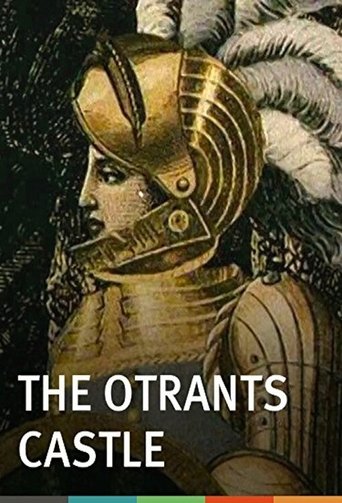
The sixties and seventies brought playful experiments. The Water of Freshness, from 1966, is the first animated film made with gingerbread figures, a parody of Czech fairy tales about three princes searching for a magic elixir. Sametka follows a boy who teaches a caterpillar to dance until it becomes a world sensation, and The Giants has a blue dwarf and a red dwarf call on ever larger giants to settle their quarrel. About Dressy Sally teaches a vain little girl a lesson about lying and happiness, and Our Little Red Riding Hood gives the fairy tale a happy twist in which the family finds a way to take care of the wolf. Castle of Otranto, by Jan Švankmajer, is a witty mock documentary about an amateur archaeologist who sets out to prove that the first Gothic novel was a true story.
The Czech characters of more recent decades are just as lovable. Pat & Mat: Winter Fun gathers the two hapless handymen, whose do-it-yourself projects always go wonderfully wrong, for a winter of Christmas decorations and snow. Max, Sally and the Magic Phone, directed by Václav Vorlíček, lets two heroes of a popular television series step out of the screen, and Bob and Bobek in the movie: On the Trail of the Carrot Eater brings back the two rabbits who live in a magician's hat. Hungry Bear Tales follows two bear friends whose stomachs lead them into the craziest adventures, and Rosa & Dara and Their Great Adventures chases a pair of runaway cows around the world. Car Fairy Tales combines four animated stories by different teams, and The Great Sneezer follows two gangsters who steal a mummy that once sneezed diamonds.
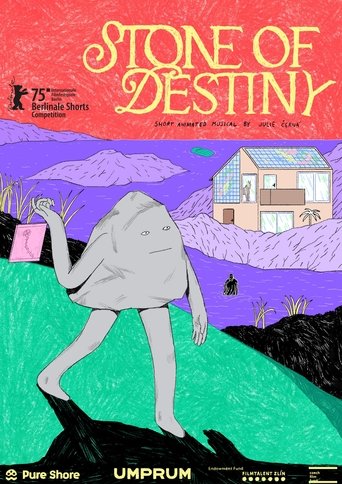
The newest Czech films come from a lively generation of graduates from FAMU in Prague, the Tomas Bata University in Zlín and other schools. The Goose follows a boy who dreams of playing football in great stadiums but must first beat a goose in his own yard. Wolfie brings an ink blot to life as a little wolf, Sand Pie sends a girl and her toy on an adventure in a sandpit, and Stone of Destiny follows a stone that longs for freedom. Leaf tells of a red leaf that leads a sailor home, Hide 'n' Seek turns a children's game into a journey through the imagination, The Concrete Jungle shows what a child imagines when a neighbour drills a wall, and The Little One remembers a Vietnamese girl's first days in Prague.
Slovak animation
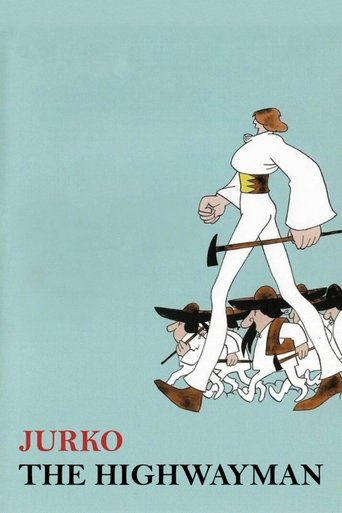
Slovakia has its own proud animation tradition. Viktor Kubal, the father of Slovak animation, made the feature Brigand Jurko, from 1976, about the legendary highwayman and folk hero Juraj Jánošík, and the short Chess, a slapstick allegory set on a chessboard. In the Box is a clever puzzle film about a character trapped in a room whose walls stretch in every direction.
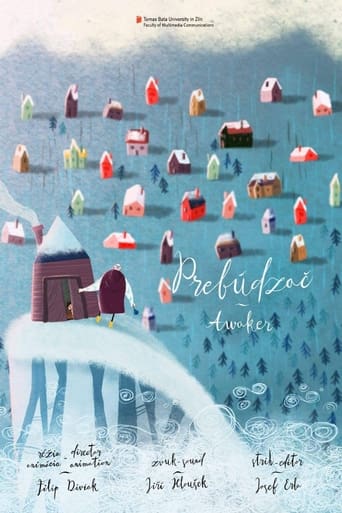
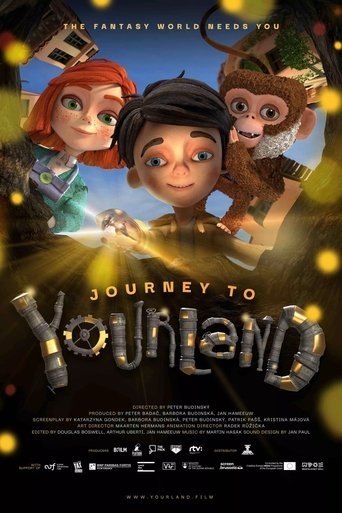
In recent years Slovak animation has blossomed. Katarína Kerekesová created The Websters, a family of spiders who live in the corner of a human house, and AnimeNoSub holds both The Websters Movie and The Websters: Stories on a Spider's Thread. The Little Man follows a tiny hero who leaves his home in the Hollow Mountain in search of a mysterious house, and Journey to Yourland sends a boy into a parallel world where science and nature live in harmony. Shorter films include Awaker, about an old man who wakes the village every morning before alarm clocks existed, Sounds Between the Crowns, about a troubadour who keeps playing music after he is expelled from the city, Cowboyland, Criss Cross and Free the Chickens.
Polish animation
Polish animation grew into a world-class school in the fifties and sixties, when the studios Se-Ma-For in Łódź, Studio Miniatur Filmowych in Warsaw and Studio Filmów Rysunkowych in Bielsko-Biała gave artists room to experiment. The Polish school became famous for its painterly style, its dry humour and its films that speak through pictures alone. AnimeNoSub holds 45 Polish films.
Witold Giersz is one of the great names of the school, and four of his films are here. A Neon Trifle, from 1959, brings two neon signs to life at midnight: a boy from a hotel sign gives his heart to a girl from a chemist's sign. The Black Jack's Treasure sends an old pirate and a young sailor in search of a treasure map found in a bottle. Intellectual compares a caveman and a modern man with very funny results, and The Old Cowboy, painted in Giersz's loose, colourful style, follows an ageing cowboy across the prairie for one last showdown.
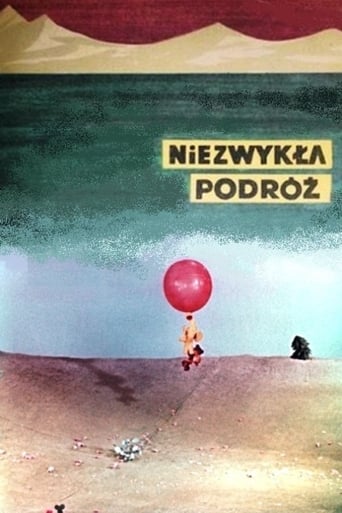
Edward Sturlis made two seaside comedies: The Beach, in which the tattoos of two sunbathers come to life and play tricks on everyone around them, and The Position, a comic battle for a free spot on a crowded beach. Teresa Badzian made Niezwykła podróż, about toys who travel by balloon, and Mamutek, about a friendship between a boy and a baby mammoth in the Ice Age. Julian Antonisz, a great inventor of techniques, made Phobia, about a painter in search of inspiration, and Jerzy Kotowski's The Danger sends a space rooster to protect his hens from a flying saucer.
The Polish art films are among the most beautiful in the catalogue. Jerzy Kalina animated coloured grains of sand and seed to create …And There Was Light, a vivid vision of the creation of the world, and continued the experiment in In the Grass and Bermuda Triangle. Krzysztof Kiwerski's Chance? follows orb-like beings through a strange machine, Jerzy Kucia's The Barrier fills a wait at a railway crossing with dreams, and Piotr Dumała's Freedom of the Leg imagines the body parts of a sleeping man living lives of their own at night. Stefan Schabenbeck's Invasion shows an alien world from the other side of the telescope, and Tomek Bagiński's The Kinematograph follows a nineteenth-century inventor who waits too long to show the world his moving pictures.
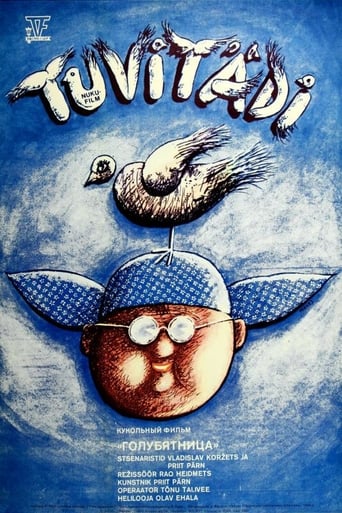
Polish animation for children is just as rich. Margo the Mouse gathers episodes of a television series about a little mouse who lives in a tree. Kidnapping in Tiutiurlistan follows a rooster, a cat and a vixen who rescue a kidnapped princess, and David and the Magic Pearl follows a boy, his puppy and a baby eagle in the jungle. Miki Mol i Straszne Płaszczydlo defends the love of books against a villain who wants to banish literature, Klingert's Diving Suit follows a girl whose inventor father builds one of the first diving suits, Gwiazda Kopernika tells the childhood of Nicolaus Copernicus, and Kicia Kocia na pikniku takes a resolute little cat to the pool, the beach and a picnic. Shorter films include Maluch The Little Car, about a little car who plays truant from school, Dumpling, about a girl made of dumplings on her way to the gingerbread town of Toruń, Turniej, The 13th Ram, Basia and Crab.
Estonian animation
Estonia, a country of little more than a million people, has one of the most remarkable animation traditions in the world. Its studios have produced hundreds of films, from gentle puppet tales for children to some of the boldest art films ever made, and Estonian animators are celebrated at festivals everywhere. AnimeNoSub holds 89 Estonian films, the largest group in the catalogue.
The story begins with The Adventures of Juku the Dog, a four-minute film from 1931 by Voldemar Päts, the first Estonian animated film. The modern tradition began in 1957, when Elbert Tuganov founded the puppet studio of Tallinnfilm, later known as Nukufilm, and made Little Peter’s Dream, a puppet film about a boy who wakes up to find himself alone in the world and learns how much he needs other people. Nukufilm is still making stop-motion films today, and the documentary Handmade - A Tale of Stop-motion visits the studio and its craftspeople. Tuganov also made Athomic, about a scientist's living atom, and the early studio films include North Dragon, a fairy tale about a young man in search of a magic ring, and Little Scooter, about a toy scooter that falls off a lorry and finds its way to a kindergarten.
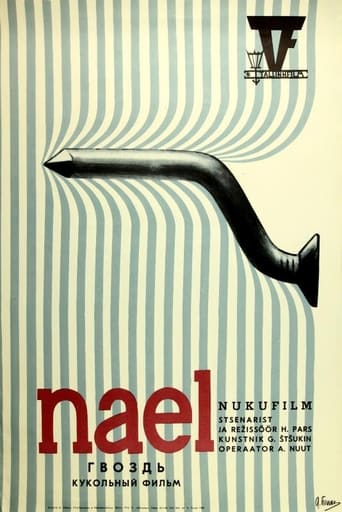
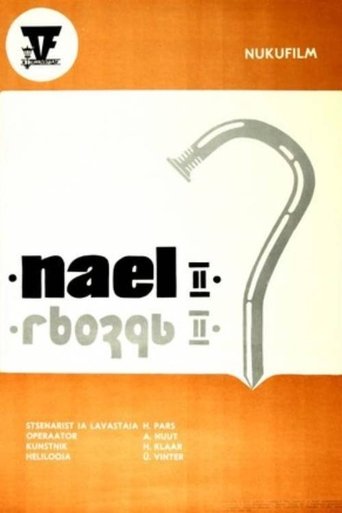
Heino Pars was the great storyteller of Nukufilm, and AnimeNoSub holds more than a dozen of his films. His series about Kips the cameraman, an educational puppet adventure, includes New Adventures of Kips the Operator, about wild berries, Kips the Operator on a Desert Island, about the gifts of the forest, and Kips the Operator in the Stone Kingdom, about rocks and minerals, while Cameraman Kõps in Mushroomland explores the world of mushrooms. His Nail and Nail 2 tell human stories with ordinary nails as the actors, Underwater sends two boy dolls among the fish, Snowmill has a doll free the millers of the snow from a spell, and City of Honey Masters is a fairy-tale portrait of the world of bees. Bonycrone and Bonycrone and Captain Drum follow a kind witch on an island and her friend, a retired sailor, and Son of the Eagle Cave takes viewers to the Stone Age. When Men Sing sends a men's choir on a magical musical journey, and Peeping Gnooms is a cosy pre-Christmas film for children.
Estonia's drawn-film studio, Joonisfilm, was founded in 1971 and became famous for its imaginative style. Avo Paistik made the much-loved adventures of Three Jolly Fellows and Three Jolly Fellows 2, based on Eno Raud's children's books about three tiny men called Mossbeard, Halfshoe and Muff, and Klaabu in Space, a science-fiction adventure. Rein Raamat made Colourbird, in which a grey and bored society comes alive as primary colours return, and Riho Unt made the puppet films Wonderful New Year's Night and Brothers Bearhearts, about the three bear cubs from Ivan Shishkin's famous painting Morning in a Pine Forest, who lose their painter mother.
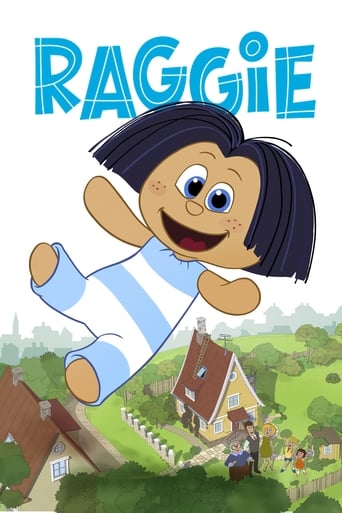
Heiki Ernits and Janno Põldma created one of the most popular characters in Estonian animation: Lotte, a cheerful, curious dog who lives in Gadgetville, a village of inventors. Lotte Goes South sends Lotte and her inventor father after a little bird who has fallen behind his flock, and Lotte and the Lost Dragons brings a new baby sister and a folk-song-collecting adventure. The same team made Tom and Fluffy, about two young dogs in love, and Ladybirds' Christmas, about two ladybirds carried into a human house with a Christmas tree. Raggie, directed by Karsten Kiilerich, follows a living rag doll who brings a brother and sister closer together.
Many shorter Estonian films are perfect for young children. Nippet follows a mischievous animal in a children's fantasy world, Ott in Space sends a lazy schoolboy aboard a spaceship, and Jaak and the Robot shows a boy who builds a robot to do his homework. Fips the Monkey follows a little monkey taken to the city who always remembers the jungle, The Pigeon Lady is a story about kindness, New Friends has a careless boy's hat, mittens and shoes leave him for better owners, and Johnny's Seven Friends sends a boy in search of Sunday, who makes friends with all the other days of the week. The Laughing Ball, Animal Acupuncturists, Babysitters, Peas, Concert for a Carrot Pie, Songs For Spring and The Girl and the Golden Mane complete a lovely shelf of children's films.
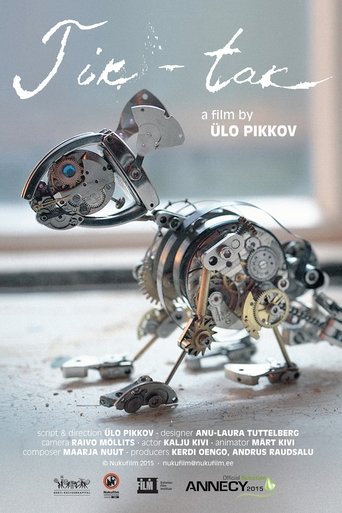
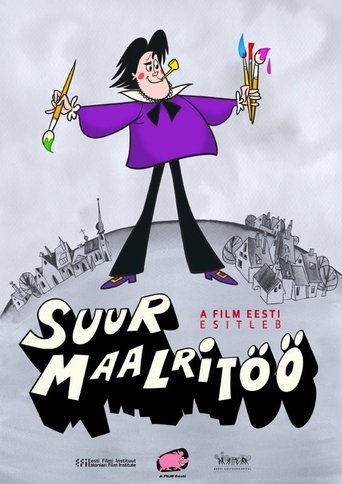
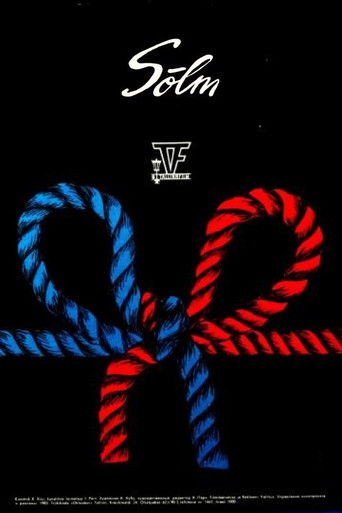
Estonian art animation is famous worldwide, and the catalogue includes some of its gentler masterpieces. Mati Kütt's Sky Song follows a postman who tries to fly to the moon in a single breath to deliver a parcel, and his The Institute of The Dream shows a man in the sand handing out dreams. Ülo Pikkov's Tik-Tak is a film about time set in a watchmaker's workshop, Teofrastus tells of a homeless cat at a railway station in 1980s Estonia, and Knot and The Conductor are wordless parables. The Great Painter follows a painter trying to please a crowd that is very hard to please, and Mysterious Swamp is a three-minute comedy about a black stork and some frogs.
Latvian animation
Latvia has a long and lively tradition of puppet animation, and AnimeNoSub holds 32 Latvian films. Its founder was Arnolds Burovs, who began making puppet films at the Riga Film Studio in 1966 and is remembered as the father of Latvian animation. His first film, Cock-a-doodle-doo!, is based on Latvian folk tales: a rich man steals a magic mill from a poor farmer, who wins it back with the help of his loyal animals. Burovs's later films include Si-si-dra, Cosette, from Victor Hugo's novel, The Dream, about a homeless man in New York who looks very much like Charlie Chaplin, and The Last Leaf, a tender story from O. Henry about the poor inhabitants of a cheap boarding house.
Roze Stiebra, the great lady of Latvian drawn animation, made A Fairytale Sits On The Doorstep, in which a little story spirit takes a child on a tour of the Latvian seasons, the feature The Cat's Mill, in which a white cat loses her mill to a black cat and the devil, and Before The Day Breaks, in which helpers have three days to rescue the stolen daughter of the Sun and the Moon. Other classics include The Little Hawk, about a boy, a kitten and a fisherman father, Little Hares' Bath, Red Shoes, about a kind shoemaker and the barefoot children of the poor, The Fair and The Tale of the Copper.
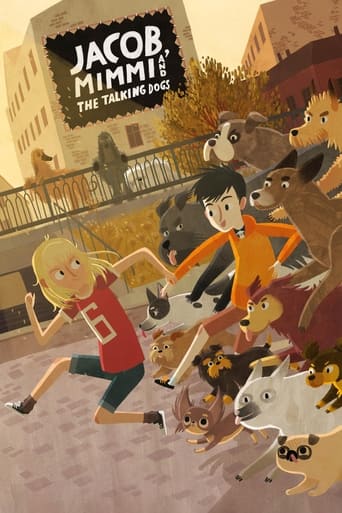
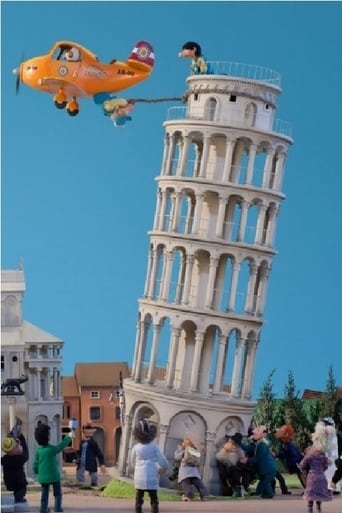
After 1991, a new generation built studios such as Animācijas brigāde, the puppet studio of Jānis Cimmermanis, and Atom Art, home of Edmunds Jansons. Cimmermanis's Rescue Team films, including Tower, in which the leaning tower of Pisa starts to topple in front of a group of tourists, and London Holidays, in which the team must repair Big Ben, are pure slapstick. Nils Skapāns made Let's Fly?, about two strange creatures trying to help a rabbit reach some fruit, and Ēvalds Lācis made The New Species, Hedgehogs and The City and The Life of a Mushroom. Dace Rīdūze made Acorn Boy and Firefly, about a young firefly who longs to make his light shine as brightly as the others. Edmunds Jansons made the feature Jacob, Mimmi and the Talking Dogs and the short Freeride in C, and Reinis Kalnaellis made two bright features: The Golden Horse, from an ancient Latvian folk tale about a sleeping princess on a glass mountain, and Thelma's Perfect Birthday, about a little penguin who wishes she could fly.
Lithuanian animation
Lithuania is represented by five films. The Adventures of Odysseus, directed by Valentas Aškinis, is a feature-length adaptation of Homer's epic. BABAUZIUKAI. Seven fantastic stories introduces a world of small, unique creatures, Matilda and the Spare Head follows a girl who wants to be the smartest person in the world and needs a second head to hold everything she learns, The Perfect Fit follows a boy in a children's home who becomes obsessed with a parrot, and Open Sesame is a short parable about looking for goodness in oneself.
Puppets and stop-motion
Puppet animation is the crown jewel of this region, and the Puppets and stop-motion collection gathers 34 films made with wood, wool, cloth, clay and found objects. The Czech puppet tradition grew out of a centuries-old love of puppet theatre, and in films such as The Hurvinek Circus, The Choo-Choo Train and The Naughty Slingshot the puppets have the warmth of handmade toys. Hermína Týrlová's Christmas Tree is made entirely of wool, which seems to come alive as it moves.
The Estonian puppet films of Nukufilm have a style all their own: carefully carved figures, miniature sets full of detail and stories that mix humour, fantasy and a touch of melancholy. City of Honey Masters, Underwater, Snowmill, Sky Song and Teofrastus show the range of the studio across five decades. The Latvian puppet films, from Arnolds Burovs's Cock-a-doodle-doo! to the Rescue Team comedies of Jānis Cimmermanis, add a lively slapstick spirit, and Noro Držiak's The Great Sneezer uses puppets for a fast caper comedy.
Folk tales and fairy tales
Folk tales and fairy tales are the heart of children's animation in this region, and the Folk tales and fairy tales collection gathers 58 films. Some retell international classics: The Pig Shepard comes from Hans Christian Andersen, Our Little Red Riding Hood gives Perrault's tale a happy twist, and Cosette comes from Victor Hugo. Others come from local folklore: Cock-a-doodle-doo! and The Golden Horse from Latvia, North Dragon and Fairy Tale in the Woods, based on the Estonian tale of Nukitsamees, from Estonia, and Brigand Jurko from the Slovak legend of Jánošík. The Cunning Ants and the Unclean follows a clever farmhand who outwits a devil again and again, Mighty Crab and Greedy Woman tells of a wish-granting crab, and The Enchanted Island adapts a Chukchi fairy tale.
Winter and Christmas
Winter is long in Central Europe and the Baltics, and animators have made many films for the season of snow and lights. The Winter and Christmas collection gathers 15 of them. Pat & Mat: Winter Fun finds the handymen decorating their houses for Christmas, Christmas Tree has two children decorate a tree with wool decorations, and Ladybirds' Christmas follows two ladybirds carried into a human house on Christmas Eve. Wonderful New Year's Night brings a doll and a goose to a family on New Year's Eve, The Dwarf Tree wakes the elves before Christmas, The House Spirit has a greedy fox steal presents from Santa's sleigh, and Snowmill brings the long-awaited snow.
Art films
The art films of this region are among the most admired in world animation. Freed from the need to sell tickets, the studios let artists treat animation as painting, sculpture and music in motion, and the Art films collection gathers 26 of the most accessible. The Play of Bubbles, from 1936, is an early abstract film full of colour. Jerzy Kalina's …And There Was Light and In the Grass animate coloured grains, Rein Raamat's Colourbird fills a grey world with colour, and Mati Kütt's The Institute of The Dream is a dreamlike film about a man who hands out dreams.
Some art films are gently funny. Freedom of the Leg imagines the body parts of a sleeping man going out for the night, REM tries to capture the creatures of dreams, and Muka sends liquid cats swimming through an explosion of colour. A Fairytale Sits On The Doorstep and The Last Leaf bring a painter's eye to Latvian stories, and Freeride in C turns a busy ski slope into a colourful piece of music. These films are short, often five to ten minutes, and they reward watching more than once.
Feature films
The Feature films collection gathers 28 titles of forty minutes or more, most of them family adventures. The Slovak features The Websters Movie, Journey to Yourland and The Little Man, the Estonian Lotte Goes South, Lotte and the Lost Dragons, Tom and Fluffy and Raggie, and the Latvian The Golden Horse, Jacob, Mimmi and the Talking Dogs and Thelma's Perfect Birthday are perfect for a family film night. The Polish features Margo the Mouse, Kidnapping in Tiutiurlistan and David and the Magic Pearl bring the charm of the eighties, and the Czech Pat & Mat: Winter Fun, Car Fairy Tales and Max, Sally and the Magic Phone are full of humour. Sky Song is a forty-five-minute puppet fantasy, and The Adventures of Odysseus retells Homer's epic for young viewers.
The studios
Behind these films stand some of the most remarkable studios in animation history. In Czechoslovakia, the state company Krátký film Praha united studios in Prague and Zlín: Bratři v triku, the drawn-film studio that made the Little Mole; the Jiří Trnka studio, home of the great puppet films; and the Zlín studios of Hermína Týrlová and Karel Zeman. Today, schools such as FAMU in Prague, the Tomas Bata University in Zlín and the Academy of Performing Arts in Bratislava train new generations, and their graduation films fill the newest corner of the catalogue.
In Poland, Se-Ma-For in Łódź specialised in puppet and object animation, Studio Miniatur Filmowych in Warsaw made art films and children's series, and Studio Filmów Rysunkowych in Bielsko-Biała became famous for its drawn series for children. In Estonia, the Tallinnfilm studio housed both Nukufilm, the puppet studio founded in 1957, and Joonisfilm, the drawn-film studio founded in 1971. In Latvia, the Riga Film Studio made the first puppet films in 1966, and today studios such as Animācijas brigāde and Atom Art carry the tradition forward. Each studio had its own style, and part of the joy of AnimeNoSub is learning to recognise them.
Ninety years of animation
The decade collections show how this animation developed. The 14 films from 1931 to 1959 include the pioneers: the first Estonian and Czech experiments, Hermína Týrlová's early films, Jiří Trnka's The Hurvinek Circus and the first Nukufilm puppet film. The 41 films of the 1960s and the 43 films of the 1970s are the golden age, when the Little Mole, Kips, Bonycrone and the Polish school all reached their height.
The 33 films of the 1980s bring Three Jolly Fellows, the later films of Týrlová and a new wave of Polish art films. The 28 films from 1990 to 2009 span the years of change after 1989, with the rise of Lotte, new independent studios and the first big family features. The 38 films of the 2010s and the 28 films of the 2020s show a flourishing scene of graduates, family features and festival shorts across the region.
Techniques
One of the joys of this catalogue is its variety of techniques. Puppet films use carved and jointed figures moved a fraction at a time; Christmas Tree uses wool, The Water of Freshness uses gingerbread, Nail uses ordinary nails and Knot uses two pieces of rope. Drawn films range from the clean lines of the Little Mole to the loose, painterly style of Witold Giersz. Jerzy Kalina animated coloured grains, and Polish and Estonian art films use cut-outs, paint on glass and photographs. The newest films add computer animation, often combined with hand-made textures.
Animation styles also crossed borders. Czech and Polish puppet makers shared techniques at festivals, Estonian animators studied the Polish school, and Latvian puppet films learned from both. Watching the catalogue country by country, you can see these conversations: the gentle humour of the Czech puppets, the painterly daring of the Polish shorts, the dreamy fantasy of the Estonian films and the playful slapstick of the Riga studios, all speaking the same visual language.
Music and sound
Because so many of these films tell their stories through pictures alone, music and sound do much of the work. Composers wrote scores that follow every movement, and sound designers gave each character a voice made of squeaks, hums, laughs and clicks. The Little Mole's voice was recorded by Zdeněk Miler's young daughters, and the Estonian and Latvian films often use folk melodies and choirs, as in When Men Sing and Songs For Spring.
Building a programme
With so many short films, the best way to explore is to build a little programme with My List. Here are a few to start with.
A first tour of the region: The Mole and the Car, The Hurvinek Circus, A Neon Trifle, Little Peter’s Dream, Cock-a-doodle-doo! and Matilda and the Spare Head. A programme for young children: The Choo-Choo Train, The Glass Marble, New Friends, Johnny's Seven Friends, Little Hares' Bath, Acorn Boy and The Mole and the Fish.
A family film night: Lotte and the Lost Dragons, The Websters Movie or The Golden Horse, with a short such as Pat & Mat: Winter Fun or Tower to start. A programme of art films: The Play of Bubbles, …And There Was Light, Colourbird, The Barrier, Freedom of the Leg, Tik-Tak and Sky Song. A winter evening: Christmas Tree, Snowmill, Wonderful New Year's Night, The Dwarf Tree and Ladybirds' Christmas.
For families
Most of the films in this catalogue were made for children, and their wordless storytelling makes them ideal for the youngest viewers, who can follow the story long before they can read subtitles. The Little Mole, the Kips adventures, Lotte, the Websters and the Latvian Rescue Team are perfect starting points. Some of the art films explore grown-up themes in a poetic way, and every film page carries a summary of the story so that parents can choose with confidence.
For a first family evening, try three short films from three countries: the Czech The Mole and the Car, the Estonian Little Scooter and the Latvian The Odd Carrot, in which two bunnies outwit the bigger beasts of the forest. Older children often enjoy the science and nature films, such as the Kips adventures and Is the Earth Round?, in which a boy sets out to prove that the world is round by walking in one direction until he returns home, and the gentle comedies of Martian, Aqua and Me and Murri. Every one of them can be enjoyed by a whole family together, whatever languages the family speaks.
Languages and subtitles
Many films in the catalogue use music, sound effects and expressive movement in place of dialogue, so they can be enjoyed in any language. The films with dialogue were made in Czech, Slovak, Polish, Estonian, Latvian or Lithuanian, and the family features often have English and other dubs. Every film in AnimeNoSub is listed under its English title, with an English summary of the story.
The AnimeNoSub guides
Fifteen short guides sit beside the catalogue. How to watch explains the Watch now button step by step, Finding a film gives search tips, and My List explains how to build your own programme and move it to another device.
The country guides open shorter routes: the Czech and Slovak guide, the Estonia guide, the Poland guide, the Latvia and Lithuania guide and the Puppets guide. The practical guides cover Languages and subtitles, Free classic animation, Apps and devices, Where AnimeNoSub films stream, Watching safely, Is AnimeNoSub working? and The official AnimeNoSub site.
How the catalogue is chosen
AnimeNoSub is a hand-picked catalogue. Every film was checked by hand against its story and credits, and the catalogue favours films that are well made, rewarding and suitable for a broad audience. The art animation of this region is famous for bold, sometimes dark films for adults, and those, along with erotic, horror, war and political shorts, are kept out of the catalogue so that it stays welcoming for families. Series are left to other guides, and every film here is a self-contained short or feature.
Posters and production details come from TMDB, the community-built film database, and the availability shown by Watch now comes from JustWatch, which tracks the official services in each country. The words on this page and in the guides are written for AnimeNoSub by its own editorial team.
Watching today
Classic animation from this region is easier to find than ever. National film archives and institutes in Prague, Bratislava, Warsaw, Tallinn and Riga have restored many classics and share them on their official sites, often at zero cost. The family features and newer shorts appear on streaming services in many countries, and the Little Mole and Pat & Mat are regulars on children's television around the world. Festivals such as Anifilm in Czechia, Animator in Poznań, Animated Dreams in Tallinn and Annecy in France screen the newest shorts every year.
For the best experience, watch the classic shorts in small groups, mixing countries and decades, and let the music carry you. These films were made with great patience, frame by frame, and they reward a big screen and a second viewing.
A universal language
The animation of Central Europe and the Baltics proves that a good story needs very few words. A mole repairing a toy car, a dog inventing a flying machine, a pair of handymen decorating for Christmas or a puppet postman flying to the moon can delight anyone, anywhere. The 225 films on AnimeNoSub open the door to that world, from the first experiments of the thirties to the newest family features.
Search for a title, open a collection from the sidebar or start with one of the programmes above. Press Watch now, choose your country, and enjoy. Welcome to AnimeNoSub.
Questions
What is AnimeNoSub?
AnimeNoSub is a guide to 225 animated films from Czechia, Slovakia, Poland, Estonia, Latvia and Lithuania, from 1931 to 2026, with a Watch now button that opens each film on JustWatch for your country.
Why is it called AnimeNoSub?
Most of the films tell their stories through pictures, music and sound, so they can be enjoyed in any language with little or zero translation.
Is the Little Mole here?
Yes. The Mole and the Car, The Little Mole the Watchmaker and The Mole and the Fish are in the Czech and Slovak collection.
Which films suit young children?
The Little Mole, the Kips films, Lotte, The Websters, the Rescue Team comedies and the Hermína Týrlová films are perfect for young children.
Which countries have the most films?
Estonia has 89 films, Czechia and Slovakia 54, Poland 45, and Latvia and Lithuania 37.
Where can I watch for free?
National film archives share many restored classics on their official sites, and Watch now lists free services each time they carry a film in your country.
How does My List work?
Press Add to My List on any film page. The list stays in your browser and can be exported to another device.
Does AnimeNoSub work on a phone or TV?
AnimeNoSub works in any current browser. On a television, press Watch now and open the chosen service's own app.
Why does AnimeNoSub look the way it does?
The near-black page, the sliding hero with blue strips and the numbered Popular list come from the archived design of animenosub.com.
